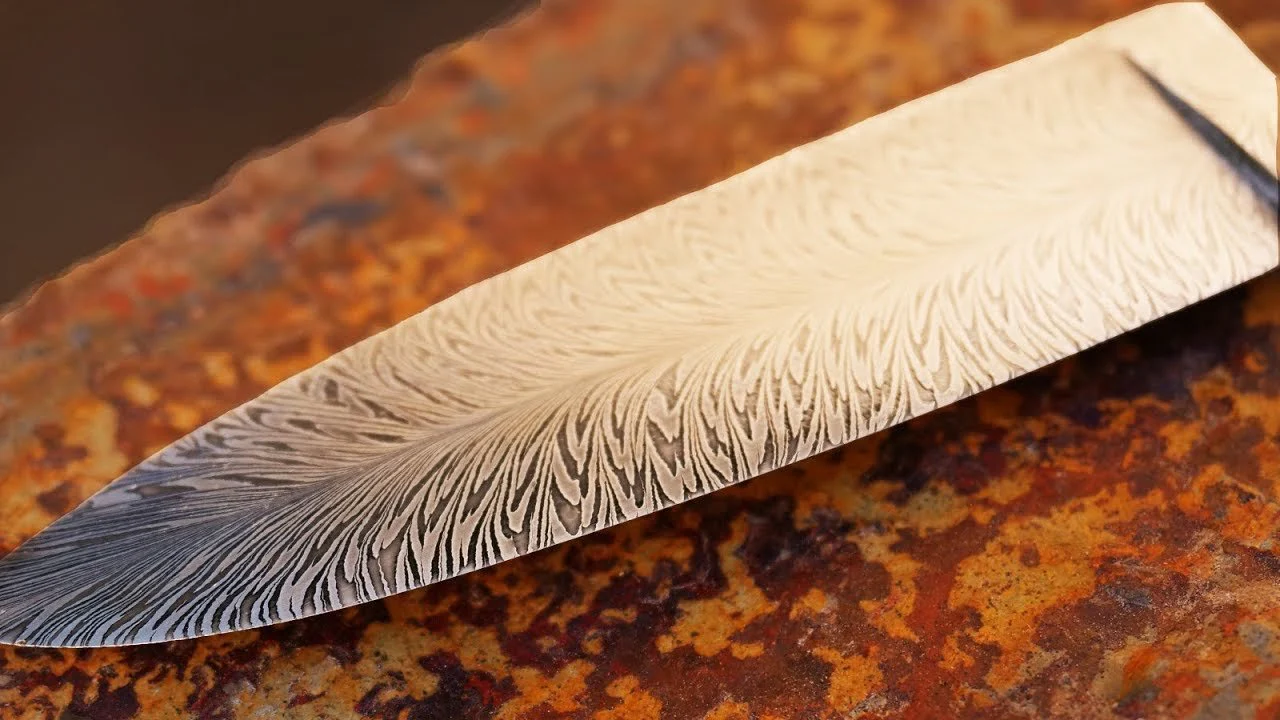
Picture this: I’m in my grandfather’s old workshop, dust motes dancing in the sunlight, and he pulls out this knife with a blade that looks like swirling water frozen in metal. “This here’s Damascus steel,” he says with a wink, slicing through a rope like it’s butter. That moment hooked me on knives forever. Fast forward to today, and Damascus steel knives are everywhere—from high-end kitchens to outdoor adventures. But what exactly are they? And more importantly, are they worth the hype, or just a pretty face in a world of practical tools? Let’s dive in, unpack the legends, and see if these blades live up to their ancient reputation.
The Mystique of Damascus Steel
Damascus steel isn’t just metal; it’s a story wrapped in layers of history and craftsmanship. Named after the Syrian city where it gained fame, this steel captivates with its wavy, watery patterns that seem almost alive. But it’s not magic—it’s the result of skilled forging that blends strength with beauty, making each knife a one-of-a-kind piece. If you’ve ever held one, you know the thrill; it’s like owning a slice of ancient warrior lore in your pocket.
A Brief History Lesson
The tale of Damascus steel starts way back, around 300 B.C. in India, where artisans first crafted a high-carbon steel called wootz. This stuff was tough, sharp, and flexible, perfect for swords that could cleave through armor without shattering. By the time it reached Damascus, it became legendary, traded along silk roads and wielded in battles. European crusaders whispered about blades that could cut silk in mid-air, fueling myths that persist today.
Origins in Ancient Times
Wootz steel originated in southern India and Sri Lanka, where iron ore mixed with charcoal in crucibles created a super-hard material. Blades forged from it showed natural banding patterns, like flowing rivers, earning the name “watered steel” in Arabic. These early knives and swords weren’t just weapons; they were status symbols, passed down through generations as heirlooms.
The Lost Art and Modern Revival
By the 18th century, the original wootz technique vanished—maybe due to depleted ore sources or lost knowledge. Production ceased around 1900, leaving a void until modern smiths revived it in the 20th century using pattern welding. Today, it’s a blend of tradition and tech, with knives that echo the past but perform for the present.
How Damascus Steel is Made
Creating Damascus steel is like baking a layered cake, but with fire and hammers instead of ovens. It starts with selecting steels—often high-carbon for hardness and nickel-rich for contrast—then stacking, heating, and forging them together. The magic happens when acid etches the blade, revealing those hypnotic patterns. It’s labor-intensive, which is why authentic pieces command premium prices.
The Traditional Wootz Method
In ancient times, wootz was made by melting iron with charcoal in sealed crucibles at scorching temperatures. This infused carbon unevenly, creating internal patterns that emerged during forging. The result? Blades that were resilient yet razor-sharp, capable of bending without breaking—a far cry from brittle irons of the era.
Modern Pattern-Welded Technique
Today’s Damascus is pattern-welded: layers of different steels (like 1095 and 15N20) are welded, folded, and twisted repeatedly—sometimes hundreds of times. Heat treatment hardens the billet, and etching brings out the designs. It’s not identical to ancient wootz, but it captures the essence, often with stainless variants for rust resistance.
What Makes Damascus Knives Unique?
Beyond the looks, Damascus knives stand out for their blend of form and function. The layering process can create micro-serrations on the edge, potentially improving cutting performance. But honestly, it’s the aesthetic that steals the show—patterns like ladder, twist, or raindrop make each knife feel personal, almost artistic. I’ve sliced tomatoes with one and felt like a chef in a fairy tale.
The Signature Patterns
Damascus patterns are where the artistry shines: from simple ladders resembling steps to wild mosaics that look like abstract art. Each fold and twist creates unique designs, like fingerprints on steel. Etching with acid highlights the contrasts, turning a functional tool into a conversation starter.
Performance in the Real World
In use, Damascus knives often hold edges longer due to high-carbon cores, but they’re not invincible. They slice precisely, with a satisfying “zip” through veggies or meat. Yet, for everyday tasks, the real draw is the confidence they inspire—holding one makes you feel ready for anything, from camp cooking to fine dining prep.
Are Damascus Knives Better?
“Better” is subjective, like asking if vinyl records beat streaming. Damascus knives excel in sharpness and edge retention, often outperforming basic stainless in tests—studies show they can hold edges 20% longer. But modern super-steels like VG-10 match or exceed them in durability without the rust worries. If you value beauty and heritage, yes; for pure utility, maybe not. I once lent a Damascus knife to a friend who “forgot” to return it—that’s how addictive they are.
Damascus vs. Stainless Steel: A Head-to-Head
Stainless steel is the reliable workhorse: rust-resistant, easy to maintain, and affordable. Damascus brings flair with superior sharpness but demands more care. In kitchens, stainless wins for low-maintenance; outdoors, Damascus’s toughness shines. It’s like comparing a sports car to a truck—both get you there, but one turns heads.
| Feature | Damascus Steel | Stainless Steel |
|---|---|---|
| Sharpness Retention | Excellent (high-carbon layers) | Good (varies by alloy) |
| Rust Resistance | Moderate (non-stainless versions prone to patina) | High (chromium content) |
| Aesthetic Appeal | Stunning patterns | Plain or etched |
| Maintenance | Requires oiling and drying | Minimal, dishwasher-safe often |
| Cost | Higher due to craftsmanship | Affordable mass-production |
| Durability | Flexible and tough | Brittle in cheap versions |
Everyday Use Cases
For home cooks, a Damascus chef’s knife glides through herbs like a dream, adding joy to meal prep. Hunters appreciate the resilience in field dressing. But if you’re clumsy like me—I’ve dropped knives more times than I’d admit—stainless might forgive you faster without chipping.
Pros and Cons of Damascus Steel Knives
Like that one friend who’s charming but high-maintenance, Damascus knives have their ups and downs. On the plus side, they’re sharp as heck and beautiful; on the minus, they rust if neglected. Weighing these helped me decide to splurge on one for special occasions.
Pros
- Exceptional Sharpness: Layers create a keen edge that lasts.
- Unique Aesthetics: Each pattern is one-of-a-kind, adding personality.
- Historical Appeal: Feels like owning a piece of ancient craftsmanship.
- Versatility: Great for kitchen, hunting, or collecting.
Cons
- Maintenance Intensive: Prone to rust without proper care.
- Higher Cost: Premium for the hand-forged quality.
- Not Always Superior: Modern steels can outperform in pure performance.
- Potential Fakes: Market flooded with cheap imitations.
Caring for Your Damascus Knife
Treating a Damascus knife right is like nurturing a relationship—neglect it, and it shows. My first one developed spots after I left it wet; lesson learned. Simple habits keep it pristine, ensuring it lasts generations.
Cleaning Basics
Wash by hand with mild soap and warm water right after use—never in the dishwasher, as heat and detergents dull the edge. Dry immediately with a soft cloth to prevent moisture spots. A quick wipe-down avoids the heartbreak of rust.
Long-Term Maintenance
Oil the blade lightly with mineral oil every few weeks, especially if stored in humid areas. Sharpen on a whetstone at 15-20 degrees to maintain that factory edge. Store in a dry sheath or block, away from leather that can cause corrosion.
- Avoid acidic foods lingering on the blade.
- Use a honing rod weekly for alignment.
- Patina is normal—embrace it as character.
Where to Get Authentic Damascus Knives
Hunting for the real deal? Skip sketchy online deals; go for trusted spots. I’ve scored gems at knife shows, chatting with makers—it’s like speed dating for blades. Online, look for certifications or maker guarantees to avoid fakes.
Reputable Online Retailers
Sites like BladeHQ or KnifeCenter offer verified Damascus from brands like CIVIVI and Benchmade. Amazon has options, but read reviews carefully. For custom, Etsy artisans deliver personalized pieces, often with stories behind them.
Local and Specialty Shops
Visit blacksmith fairs or outdoor stores for hands-on feels. In the U.S., places like Smoky Mountain Knife Works stock authentic stock. International? Check European forges for old-world quality. Always ask about steel composition to ensure genuineness.
Best Damascus Knife Brands
Not all Damascus is equal—some brands nail the balance of beauty and bite. From budget-friendly to heirloom-worthy, these stand out based on my trials and community buzz. Zwilling’s Kanren series impressed me with its heft and precision.
Top Picks for Every Budget
- Zwilling Kanren: Best overall chef’s knife—sharp, balanced, and stunning.
- Shun Premier: Splurge-worthy with hammer-finished Damascus for grip.
- CIVIVI Elementum: Affordable EDC folder with bold patterns.
- Miyabi Koh: Japanese flair, ultra-sharp for slicing.
- Benchmade Gold Class: Premium build for collectors.
For steak sets, Dalstrong’s Shogun series offers value; hunting? Forseti’s Scythian model handles tough jobs.
People Also Ask
Drawing from common queries, here’s what folks wonder about Damascus knives. These address the curiosities that pop up in searches, blending info with real talk.
What is so special about Damascus steel?
It’s the unique patterns from layered forging that make it special, plus historical toughness. Not just pretty—it’s resilient, though modern versions focus more on looks.
Is Damascus steel stronger than regular steel?
Not inherently; ancient wootz was, but today’s pattern-welded is comparable to high-end steels. Strength depends on the alloys used, often matching or exceeding stainless in edge hold.
Why is Damascus steel so expensive?
Craftsmanship: Hand-forging hundreds of layers takes time and skill. Authentic pieces from reputable makers command prices for their artistry and quality materials.
Is Damascus steel good for knives?
Yes, for sharpness and style, but requires care. Great for enthusiasts; for casual use, stainless might be simpler.
FAQ
What is Damascus steel made of?
Modern Damascus is layered steels like 1095 and 15N20, welded and etched for patterns. Ancient was wootz, a crucible steel from India.
Do Damascus knives rust?
Non-stainless versions can develop patina or rust if not dried and oiled. Stainless Damascus resists better but still needs TLC.
How do I know if my Damascus knife is authentic?
Look for uneven patterns, maker marks, and acid etch depth. Cheap, uniform ones are often fakes; buy from trusted sources.
Are Damascus knives worth the money?
If you love the aesthetics and are willing to maintain them, absolutely. For pure function, budget steels work fine.
Can Damascus knives be sharpened at home?
Yes, with a whetstone or system like Work Sharp. Keep the angle consistent to preserve the edge.
In the end, Damascus steel knives aren’t just tools—they’re tales of fire, forge, and finesse. Sure, they might not “beat” every modern blade, but they add soul to slicing. I still have my grandpa’s knife, patina and all, reminding me that sometimes, better means more meaningful. If you’re tempted, start small; you might just get hooked. (Word count: 2,756)
Leave a Reply